January 9, 2026
Trees are a valuable part of residential landscapes. They provide shade, improve air quality, reduce noise, and create a more balanced outdoor environment. Healthy trees can also improve property appearance and contribute to a more comfortable living space. Like other parts of a home, trees require routine attention to remain safe, stable, and visually healthy.
Many homeowners rely on professional tree care services to maintain the health and structure of their trees. Routine maintenance reduces the risk of falling branches, pest infestations, and long-term structural weakness. When trees are cared for consistently, they tend to live longer, grow stronger, and present fewer safety concerns over time. Additionally, well-maintained trees can support local wildlife and provide environmental benefits such as air purification and erosion prevention. According to The Business Research Company, the tree services market size is expected to grow to $2.51 billion in 2029 at a compound annual growth rate (CAGR) of 14%. This statistic reflects the growing awareness of the importance of proper tree maintenance among homeowners. Below are seven essential care areas that every homeowner should understand.
1. Regular Tree Pruning
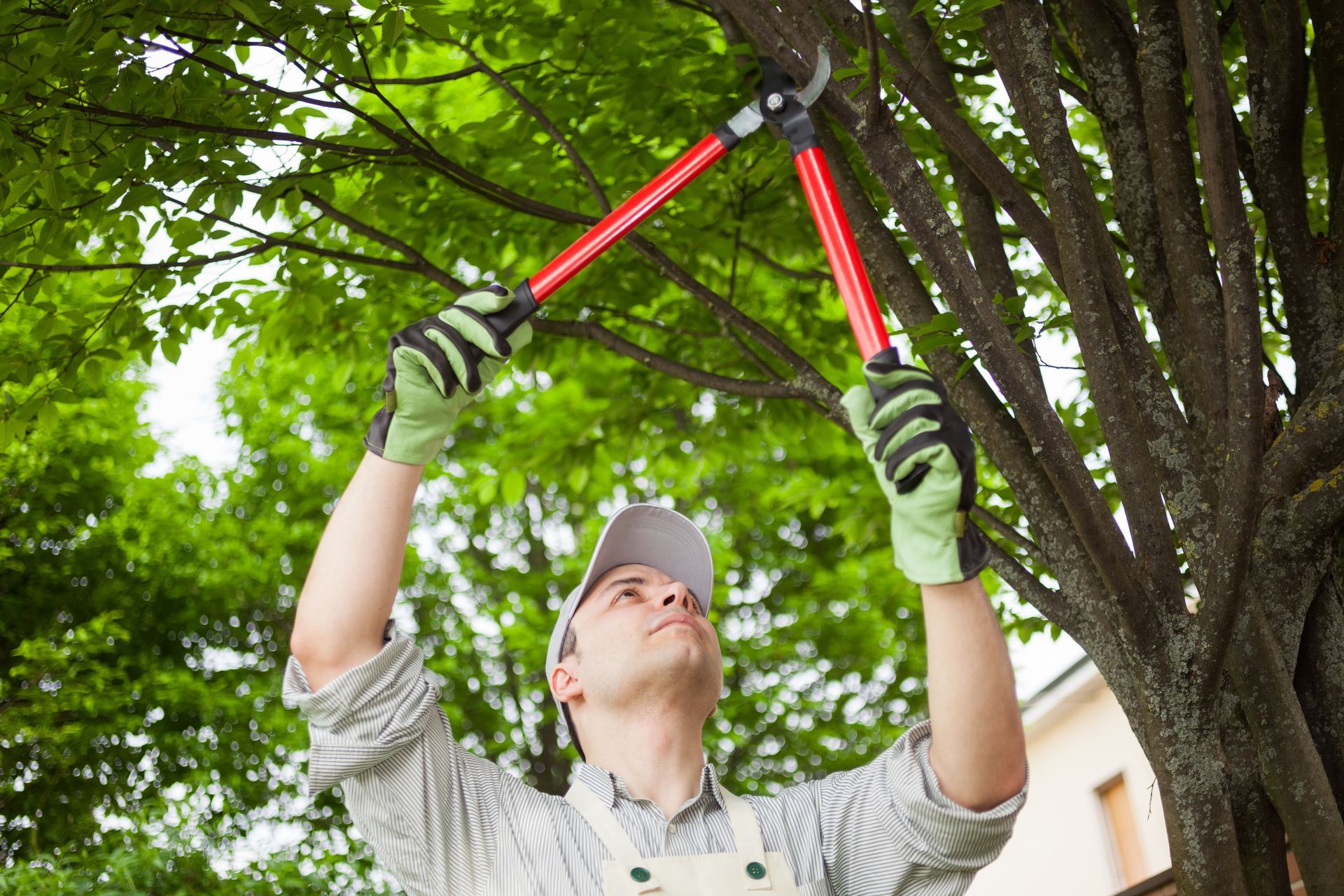
Tree pruning is the process of removing dead, damaged, or overgrown branches to promote healthier growth patterns. Proper pruning helps trees redirect energy toward strong, stable limbs, which improves structure and balance. It also improves air circulation within the canopy, helping reduce moisture buildup and limiting fungal growth. Another benefit of pruning is improved safety. Weak or cracked branches are more likely to break during storms or strong winds. Removing these branches in advance reduces the risk of damage to roofs, vehicles, fences, and walkways.
Seasonal timing is important. Many tree species respond well to pruning in late winter or early spring before new growth begins. Using clean, sharp tools helps prevent the spread of disease. Among common tree care services, pruning remains one of the most effective methods for preventing long-term structural problems.
2. Disease and Pest Management
Trees face constant exposure to insects, fungi, and environmental stressors. Common threats include aphids, beetles, scale insects, mildew, and root-based diseases. These problems often develop gradually, which makes routine observation an important part of prevention. Warning signs include leaf discoloration, unusual spotting, early leaf drop, bark abnormalities, and slowed growth. Identifying these symptoms early allows homeowners to respond before damage becomes severe.
Healthy trees are naturally more resistant to pests, which makes proper watering and soil health important preventative measures. Treatment methods may be organic or chemical, depending on the severity of the problem. Organic options such as horticultural oils and insecticidal soaps are frequently used for minor infestations, while targeted chemical treatments may be used for larger outbreaks. Many professional tree care services use balanced treatment strategies to manage problems while reducing environmental impact.
3. Soil Health and Fertilization
Strong trees begin with healthy soil. Soil provides essential nutrients, water, and oxygen that support root systems and overall stability. When soil becomes compacted or nutrient-deficient, trees can weaken even if they appear healthy above ground. Common signs of soil-related problems include pale leaves, weak branch development, slow growth, and thinning canopies. Soil testing helps determine pH levels and nutrient deficiencies, making it easier to apply the correct fertilizers.
Mulching plays an important role in soil health. A proper layer of mulch helps regulate soil temperature, retain moisture, and reduce weed competition. Compost and organic matter improve soil texture and increase long-term fertility. Slow-release fertilizers are often recommended to provide steady nutrients without overwhelming root systems. Soil management is a foundational part of long-term tree care services, as healthy roots support the overall strength of the tree.
4. Tree Cabling and Bracing
Cabling and bracing are methods used to support trees with structural weaknesses. These techniques are commonly applied to trees with multiple trunks, heavy limbs, or weak branch unions. The goal is to stabilize vulnerable areas and reduce the risk of splitting or collapse. Cables help redistribute the weight of large branches, reducing strain on weak attachment points. Bracing rods are used to reinforce cracks or weak joints in trunks and major limbs. These systems allow trees to maintain their natural shape while improving overall safety.
These supports are especially helpful for older trees that homeowners want to preserve. There are two main systems: static and dynamic. Static systems provide firm, fixed support, while dynamic systems allow limited movement to encourage natural strength development. Proper installation requires technical skill and specialized equipment. This type of structural support is commonly included in professional tree care services for mature or high-risk trees.
5. Storm Damage and Emergency Response
Severe weather can significantly impact tree stability. High winds, heavy rain, snow, and ice can break branches, crack trunks, and expose root systems. Quick assessment after storms is important to identify any immediate hazards. Signs of storm damage include hanging branches, leaning trunks, split limbs, and disturbed soil around the base of the tree. Smaller debris may be cleared safely by homeowners, but large or unstable trees should be handled by trained professionals.
Restoration often involves corrective pruning, structural reinforcement, and ongoing monitoring. In some cases, heavily damaged trees must be removed to protect people and property. Emergency response is a critical component of comprehensive tree care services, especially in regions that experience frequent severe weather.
6. Landscaping and Tree Placement
Proper tree selection and placement contribute to long-term safety and easier maintenance. Tree species should be chosen based on regional climate, soil conditions, and available space. Homeowners should also consider the tree’s mature height and root spread to avoid future conflicts with structures or utilities. Well-planned tree placement improves both function and aesthetics. Trees can be positioned to provide shade, privacy, and natural wind protection. They also help create visual balance within outdoor spaces.
Good planning helps prevent future problems with foundations, sidewalks, underground plumbing, and overhead power lines. Trees are often most effective when integrated with shrubs, flowers, and hardscape features such as walkways or retaining walls. Proper spacing prevents overcrowding and competition for nutrients. Many homeowners use professional tree care services to help design planting layouts that reduce long-term risks. Thoughtful planning also makes maintenance easier and ensures that trees thrive for many years.
7. Tree Removal and Stump Management
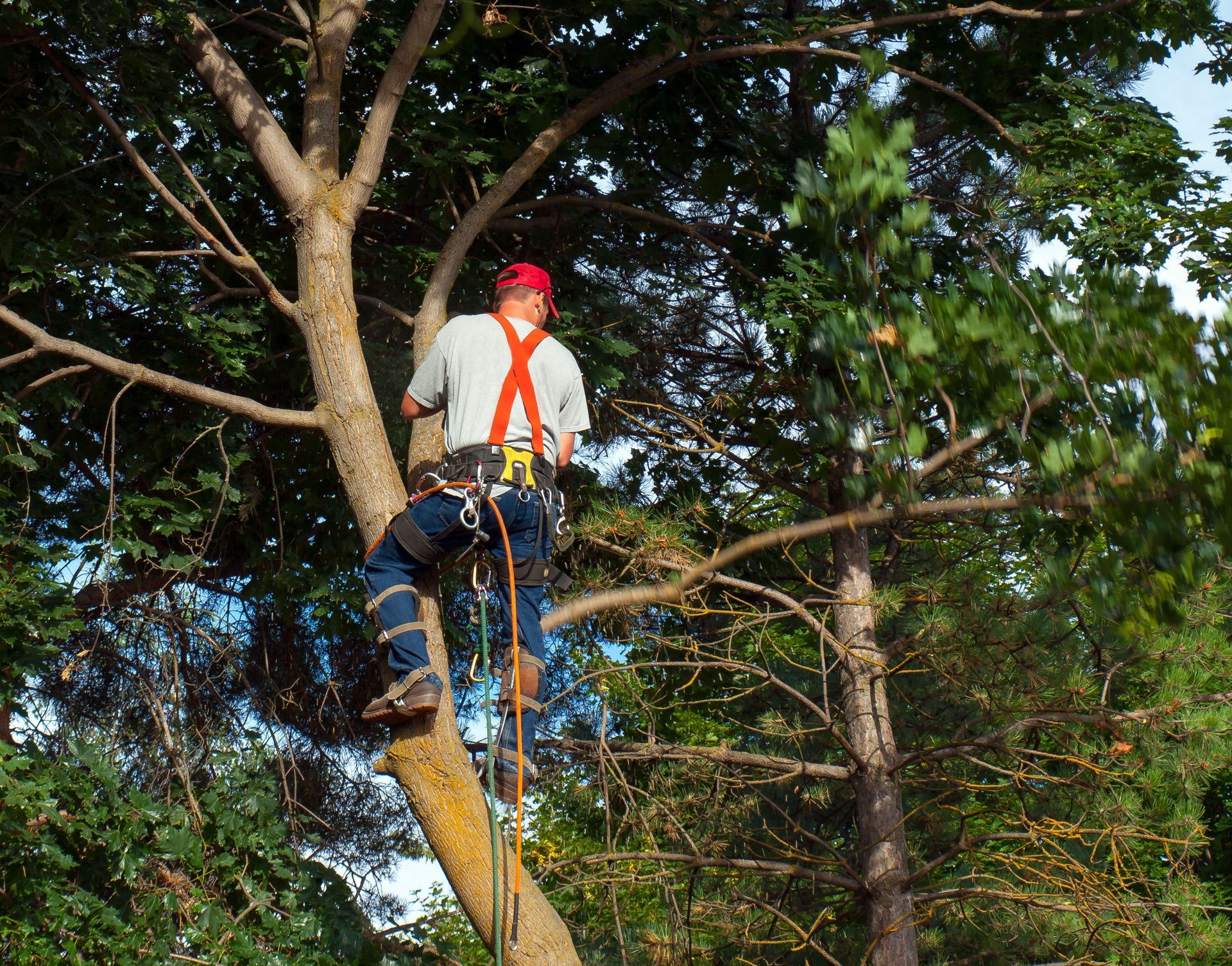
Tree removal becomes necessary when a tree is dead, structurally unstable, or poses a safety risk. Trees that interfere with buildings, power lines, or plumbing systems may also require removal to prevent damage. Safe removal involves careful planning, correct tool use, and experience. Large trees should always be handled by trained professionals due to the risk of falling debris and structural damage.
After removal, stump management is an important final step. Stumps can attract insects, create trip hazards, and limit future landscaping options. Stump grinding or full stump removal improves safety and usability of the area. This step is a standard part of complete tree care services, helping maintain clean, functional outdoor spaces. Removing stumps also allows homeowners to replant trees or redesign areas of their landscape with minimal disruption.
Proper tree maintenance requires consistency, awareness, and informed decision-making. Regular pruning, pest control, soil management, structural reinforcement, storm response, thoughtful planting, and safe removal all contribute to healthier and safer outdoor environments. These practices help homeowners preserve property value while supporting long-term tree health. With continued growth in the professional tree industry, homeowners have greater access to reliable expertise than ever before. Investing in routine inspections and preventative care helps reduce emergency risks and supports stable tree development. For dependable support and professional results, contact New View Tree Care LLC.